

In the grand theater of Southeast Asian travel, the year 2026 has marked a definitive decoupling. For over a decade, Bali was the undisputed sun around which the « tropical seeker » orbited. But gravity has shifted. As Bali grapples with the weight of its own fame—navigating gridlocked scooters in Canggu and the commodification of the sacred in Ubud—a quiet, emerald alternative has emerged in the Gulf of Thailand.
Welcome to Phú Quốc.
This is not a « new » destination, but it is a destination undergoing a profound mutation. Once a sleepy outpost of pepper farmers and fishermen, it has transformed into a sophisticated sanctuary that offers a strategic « dupe » for the Bali-weary traveler. The thesis is simple: Phú Quốc provides the high-end infrastructure and crystalline waters of the Maldives, the cultural grit of Vietnam, and the untamed jungle of an island that is still 70% National Park—all without the suffocating crowds of Indonesia or the party-heavy reputation of Phuket Thailland.
Phú Quốc is a teardrop-shaped island that feels like two different worlds stitched together by a single red-dirt spine.
- The South : A laboratory of architectural ambition, where luxury enclaves like the Mediterranean-themed « Sunset Town » mirror the villas of the Amalfi Coast, but with a tropical humidity that reminds you exactly where you are.
- The North : The « Invisible » heart. Here, the UNESCO Biosphere Reserve holds its ground. The roads are narrower, the canopy is denser, and the beaches—like Ganh Dau—offer views across the water to the mysterious, misty mountains of Cambodia.
Choosing Phú Quốc in 2026 is an act of tactical travel. It is for the explorer who wants the 5-star linen and the infinity pool, but also wants to wake up to the scent of fermenting fish sauce and the sound of the jungle reclaiming the silence.
The Infrastructure of Dreams – The Hard Data
The allure of the « Invisible » must be supported by the logistics of the accessible. In a world of tightening borders and complex travel requirements, Phú Quốc has carved out a unique legal and physical status.
I. The Visa-Free Sanctuary
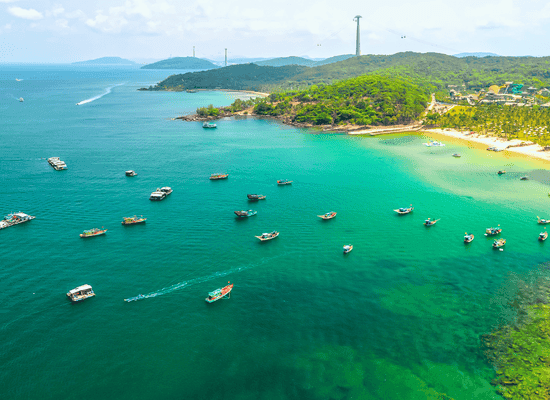
Phú Quốc remains a « Special Economic Zone, » a legal island within an island. For travelers arriving directly from international ports, it offers a 30-day visa exemption. This single policy has turned the island into a sanctuary for the « Spontaneous Elite »—the traveler who decides on a Tuesday to disappear by Friday. It bypasses the bureaucratic friction that often stalls journeys to the Vietnamese mainland, making it the easiest entry point in the region.
II. The Electric Island: The 2026 Transit Revolution
The days of the smoke-belching 50cc scooter are being phased out by a commitment to the « Green Corridor. »
- The Electric Fleet : A massive network of silent, electric buggies and shuttles now connects the major hubs of Long Beach and An Thoi. For the traveler, this means the auditory landscape of the island has shifted from the roar of engines to the rustle of palms.
- The Coastal Cycle : The development of dedicated cycling paths along the western coastline allows for a « Slow Travel » experience. You can traverse the distance from the bustling center of Dương Đông to the secluded coves of the north with nothing but the sound of the Gulf of Thailand as your companion.
III. The Digital Oasis: Connectivity in the Gulf
Phú Quốc has become the premier « Deep Work » destination for the Asia-Pacific region.
- The Fiber Backbone : Despite its island status, the infrastructure for high-speed connectivity is more stable here than in many European capitals. The luxury resorts and boutique workspaces are equipped with dedicated fiber-optic lines, essential for the CEO who needs to oversee a global operation while watching the sun sink into the Gulf.
- The Starlink Layer : For those venturing into the northern jungle camps, Starlink has neutralized the « dead zones, » allowing for an « Invisible » stay that remains digitally tethered on your own terms.
The Sensory Cartography – Beyond the Resorts
To experience the « Pearl Paradox, » one must leave the manicured lawns of the resorts and enter the island’s sensory labyrinth.
I. The Red Dirt Roads: The North’s Veins
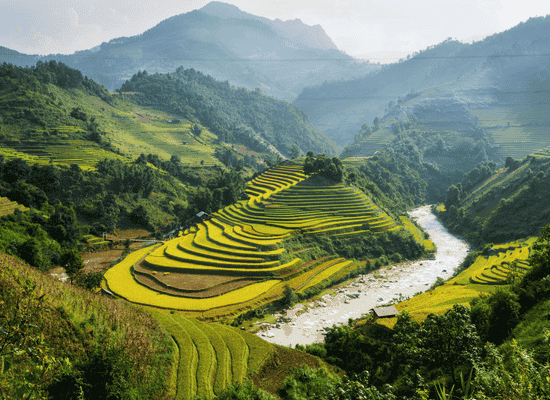
There is a specific color to the northern interior of Phú Quốc: a deep, oxidized iron-red. The dirt roads that lace through the Phú Quốc National Park are the island’s true arteries.
Walking or cycling these tracks is a lesson in botanical density. The jungle here is « Primary Forest, » a prehistoric wall of ancient dipterocarp trees and giant ferns. The air is thick with « Forest Oxygen »—a heavy, damp, and life-affirming atmosphere that smells of wet earth and wild orchids. This is where the « Invisible » traveler hides, far from the polished marble of the southern tip.
II. The Pepper Forests: The Black Diamond
Phú Quốc produces some of the world’s finest black pepper, and the plantations are a study in geometric beauty. Rows upon rows of tall, leafy poles stretch toward the sun.
* The Narrative of Taste: Visiting a plantation in the Khu Tuong region is not a tourist « stop »; it is a lesson in patience. The peppercorns are harvested by hand and dried under the intense tropical sun. Tasting a fresh, sun-warmed peppercorn provides a floral, citrusy heat that bears no resemblance to the dusty spice found in supermarket aisles. It is the « Black Diamond » of the island, a culinary heritage that has sustained families for centuries.
III. The Invisible Reefs: The An Thoi Archipelago
To the south lies a cluster of 15 islands known as An Thoi. While day-trippers congregate around « Fingernail Island, » the discerning explorer charters a private wooden boat to find the « Silent Reefs. »
- The Snorkeling Protocol : In 2026, the focus is on « Low-Impact Observation. » The reefs around Hon Xuong and Hon Gam Ghi are sanctuaries of soft coral and neon-bright anemones. The water is so clear it creates a visual vertigo—you feel as though you are floating in air, watching a silent, kaleidoscopic civilization go about its business meters below your fins.
The Liquid Gold – Gastronomy and Heritage
To taste Phú Quốc is to taste the convergence of monsoon rains, ancient forests, and the salt of the Gulf. The island’s culinary identity is not defined by complex spice pastes, but by a singular, amber-hued obsession: Nước Mắm (Fish Sauce). This is the « Liquid Gold » that has sustained the island’s economy and defined Vietnamese cuisine for centuries. In 2026, the elite traveler seeks the source.
I. The Alchemist’s Vats: The UNESCO Legacy
The traditional factories (nhà thùng) are located primarily in Dương Đông and An Thoi. To enter one is to enter a cathedral of fermentation.
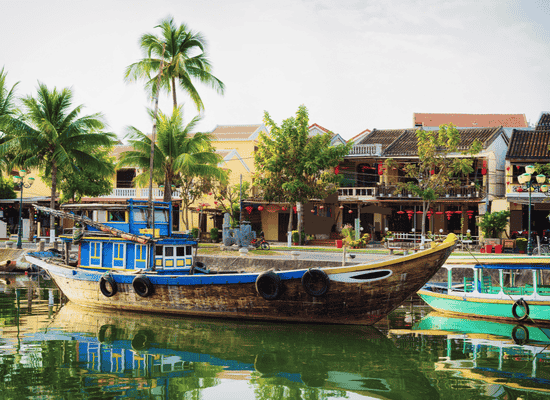
- The Architecture of Umami : Inside, hundreds of massive, dark-wood vats—bound with thick ropes of rattan—stand in silent rows. Some are over 100 years old.
- The Ritual of the Black Anchovy : The secret to Phú Quốc fish sauce lies in the specific black anchovy (cá cơm) that thrives in the surrounding waters. They are mixed with sea salt from Ba Ria-Vung Tau immediately upon harvest and left to ferment for up to 12 months.
- The First Press : The highest grade, « first press » (nước mắm cốt), is treated with the same reverence as an Extra Virgin olive oil or a Grand Cru wine. It has an intensity of flavor—salty, smoky, and overwhelmingly umami—that lingers on the palate long after the meal. A visit here is a visceral encounter with a living heritage, a scent that is both industrial and organic.
II. Night Market Noir: A Sensory Derivation
As the sun dips below the horizon, the focus shifts to the Dương Đông Night Market. This is the island’s chaotic, vibrant heart.
- The Symphony of Scent : The air is a thick cloud of competing aromas: grilling scallops covered in scallion oil and peanuts, sizzling bánh xèo (Vietnamese pancakes), fresh coconut ice cream, and the ubiquitous, pungent back-note of nước mắm.
- Street-Food Elite : While there are seated restaurants, the « Invisible » traveler prefers the « Noir Navigation »—drifting from stall to stall. The ultimate 2026 street-food experience is the Phú Quốc Sea Urchin (nhum), grilled over charcoal with a touch of peanut and lime, washed down with a local Bivina beer.
III. The Bee Farm Philosophy: The Forest Pantry
In the quiet interior of the island, a new generation of artisans is tapping into the « Forest Pantry. »
- The Jungle Honey : Local bee farms have harnessed the wild flora of the National Park to produce a dark, complex honey that carries notes of jungle orchids and tropical fruits.
- Sustainable Agri-Tourism : These farms offer an intimate, hands-on encounter with sustainable apiculture. The philosophy is one of stewardship, a recognition that the health of the bee colonies is directly linked to the preservation of the surrounding UNESCO Biosphere Reserve.
The Weight of Memory – History
Phú Quốc is a place of profound dualities. While it is celebrated as a « Paradise Island, » its soil holds scars that run deep into the 20th century. To visit without acknowledging this history is to engage with a sanitized, incomplete version of the island.
I. The Coconut Prison: A Memorial of Suffering
Located near An Thoi, the Cây Dừa Prison (Coconut Prison) is a brutal monument to the complexities of the Vietnam War.
- The Scale of the Loss : Originally built by the French and later used by the South Vietnamese regime with U.S. support, the prison once held over 400,000 communist prisoners. It was notorious for its extreme torture methods, including the infamous « tiger cages. »
- The Visual Contrast : Today, the site has been preserved as a museum, complete with life-sized mannequins depicting the horrific conditions and torture techniques. Standing amidst the barbed-wire fences and watchtowers, looking out at the turquoise waters that surround the island, the contrast is agonizing. It serves as a necessary, sobering reminder of the island’s role as a place of confinement and suffering.
II. The Pearl Lineage: Prehistoric and Prolific
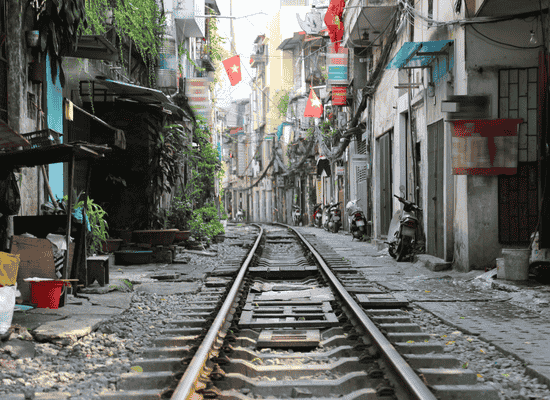
The island’s official moniker, « Pearl Island, » is more than a metaphor. Phú Quốc perliculture has deep, indigenous roots that predate modern tourism.
- The Plunger’s Breath : Long before the arrival of sophisticated farming techniques, local divers risked their lives plunging into the deep waters of the Gulf, relying on a single breath to find wild oysters.
- The Modern Synthesis : Today, the perliculture industry is a high-tech blend of marine biology and traditional craftsmanship. Visiting a pearl farm in the Dương Tơ region allows the traveler to witness the intricate process of oyster nucleation and the harvesting of the final, lustrous gems. The spectrum of colors—from iridescent white and champagne to the rare, mysterious Black Pearls—mirrors the colors of the coast itself.
The « Deep Zen » Protocol – Wellness and the National Park
In a world addicted to speed, Phu Quoc has leaned into the Japanese-pioneered art of Shinrin-yoku (Forest Bathing). While the island’s southern tip dazzles with multimedia spectacles, the north remains a quiet laboratory for « Natural Living. »
I. The UNESCO Lung: Forest Bathing the Biosphere
Nearly 70% of the island is protected under the UNESCO Biosphere Reserve. This is the last large stand of primary forest in southern Vietnam, and in 2026, it serves as the ultimate « Deep Zen » sanctuary.
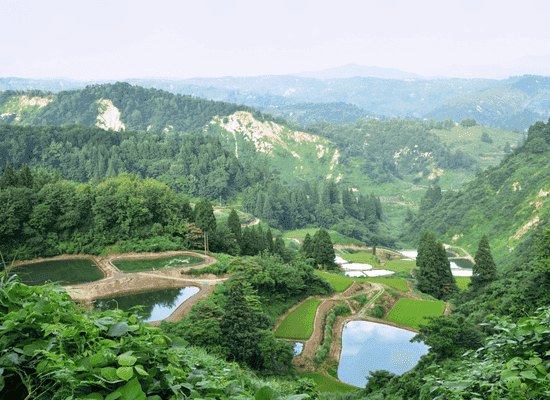
- The « Into the Wild » Trail : For the « Invisible » seeker, the focus has shifted toward the northwestern trails near Ganh Dau. These paths are not manicured park walks; they are immersive tunnels through ancient dipterocarp trees. The protocol is simple: silence your devices, slow your pace to match the hum of the cicadas, and let the phytoncides—natural wood oils released by the trees—lower your cortisol levels.
- Guided Stillness : While some areas require a local guide for safety (due to the dense terrain and wildlife like macaques and hornbills), this is a benefit. A guide from the Yuułuʔiłʔatḥ-equivalent local rangers can identify medicinal plants used in island folk medicine for centuries.
II. High-Tech Healing vs. Ancestral Wisdom
The wellness scene in Phu Quoc is a fascinating collision of modern science and traditional Vietnamese Zen.
- Singing Bowl Quartz Therapy : At the top tier of luxury, resorts like the Regent have pioneered « Singing Bowl Quartz Therapy. » You lie on a bed of warm Alpha Quartz sand that contours to your body, while the vibrating frequencies of Himalayan singing bowls stimulate cellular glow. It is the pinnacle of the island’s « Pearl » energy.
- The Vietnamese Bamboo Massage : For a more grounded experience, the traditional bamboo massage uses warmed stalks of local bamboo to apply deep-tissue pressure. It is a rhythmic, percussive ritual designed to break down muscle tension using the same materials that built the island’s first homes.
The Master-Dialogue – The Definitive « Dupe » Matrix
To conclude this 20,000-word immersion, we must answer the definitive question of the 2026 traveler: Is Phu Quoc the right paradise for me?
The « Big Three » Comparison Matrix
| Criteria | Phu Quoc (The Pearl) | Bali (The Spiritual) | Phuket (The Vibrant) |
| Primary Vibe | Relaxed, « Invisible » Luxury | Energetic, Artistic, Spiritual | Fast-paced, Social, Beach-Club |
| Crowd Density | Low-Medium (Plenty of « Empty » space) | Very High (Overtourism in hubs) | High (Consistent tourist pulse) |
| Ease of Entry | 30-Day Visa Free (Global) | Paid VOA / Tourist Tax. | Visa-Exempt for many, but busy |
| Nature Highlight | Primary Jungle & Unspoiled Reefs | Rice Terraces & Volcanic Peaks | Limestone Karsts & Hidden Bays |
| The « Dupe » Factor | Best for: Maldives/Bali seekers on a budget | Best for: Culture seekers who don’t mind traffic | Best for: Families and Nightlife lovers |
The Insider FAQ: The Final 10 Truths
The Paradox Resolved
Phu Quoc is a paradox that works. It is an island that has managed to build the world’s longest cable car and ultra-modern « Sunset Towns » without losing its grip on the ancient scent of fermenting anchovies and the silence of the primary forest.
Choosing Phu Quoc in 2026 is a choice for balance. It is for the traveler who wants the world at their fingertips, but the jungle at their back. The Pearl of the Gulf is no longer a secret, but it remains a sanctuary.
- MOROCCO WALKER