
By March 2026, the classic Tuscan dream has reached a breaking point. With Florence implementing strict entry quotas and the Val d’Orcia functioning more like a curated film set than a living countryside, the modern traveler faces a choice: consume a pre-packaged heritage or seek the Tuscan Fracture.
The Maremma is that fracture. Located in the southwestern corner of Tuscany, stretching from the tufa-rock hills to the Tyrrhenian Sea, it is a region that has historically resisted colonization—by the Romans, by the Medici, and now, by mass tourism. This is the land of the Destination Dupe, where the crowded squares of San Gimignano are replaced by the vertical silence of Pitigliano, and the manicured vineyards are swapped for the raw, untamed spirit of the Soft Adventure. To enter the Maremma is to embrace a Wild Renaissance—a return to an Italy that is rugged, hospitable, and profoundly authentic.
- The Tufa Triangle – Sorano, Pitigliano, and Sovana
- The Butteri Spirit – The Heart of the Plains
- The Liquid Alchemy – Saturnia and the Hidden Springs
- The Silver Coast – Monte Argentario and Giglio
- The Gastronomy of the Wild – Cucina Povera 2.0
- The 2026 Agentic Guide – Logistics and AI Sync
- The Renaissance of the Soul
The Tufa Triangle – Sorano, Pitigliano, and Sovana
In the southern reaches of the Maremma, the earth itself tells a story of volcanic upheaval. Here, three towns—Sorano, Pitigliano, and Sovana—form a triangle of ancient stone, carved directly into massive spurs of volcanic tufa. This is not architecture built upon the land; it is architecture born from it.
I. Pitigliano: The Vertical City of Light
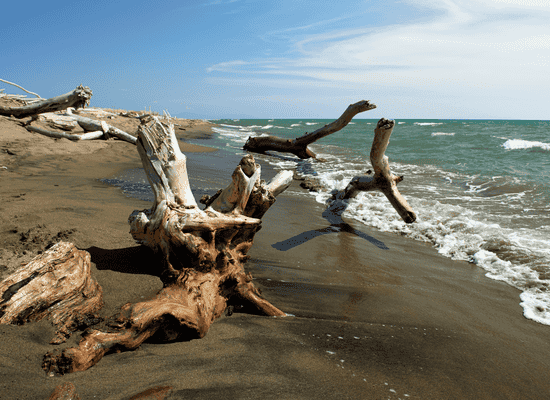
Often whispered about as the Little Jerusalem, Pitigliano is a visual shock. As you approach from the winding mountain roads, the town appears to grow organically out of a sheer cliff. In the late afternoon sun, the golden tufa rock glows with an incandescent heat, creating the ultimate Main Character Energy for those seeking a backdrop that feels both ancient and cinematic.
- The Jewish Heritage : Deep within the tufa are caves that served as a sanctuary for the Jewish community fleeing the Papal States in the 16th century. Exploring the underground kosher winery and the ancient synagogue provides a layer of « Invisible History » that most Tuscan tours overlook.
- The Porch Culture : Life in Pitigliano happens on the threshold. To walk these alleys is to witness the Behind the Scenes of Italian life: laundry drying over Etruscan arches and elderly residents shelling peas on stone steps that have remained unchanged for five hundred years.
II. The Vie Cave Ritual: Walking the Etruscan Echo
The true secret of the Tufa Triangle lies beneath the surface. The Vie Cave are a network of prehistoric roads carved deep into the rock by the Etruscans over 2,500 years ago. These are not mere paths; they are canyons of silence, some reaching depths of twenty meters while remaining only two meters wide.
- Acoustic Isolation : As you descend into a Via Cava, the sounds of the modern world—engines, voices, the hum of the 21st century—simply vanish. It is a form of Sensory Deprivation that acts as a natural reset. The walls are covered in emerald moss and ancient inscriptions, creating a cathedral of cool, damp air even in the height of summer.
- The Philosophy of the Path : In 2026, these paths represent the pinnacle of Sustainable Trekking. They require no infrastructure, only the willingness to follow the footsteps of a civilization that understood the earth’s thermal and spiritual properties long before the arrival of Rome.
III. Sorano: The Sleeping Giant
If Pitigliano is the star, Sorano is the recluse. Often bypassed by those in a hurry, Sorano is a labyrinth of medieval steepness.
- The Orsini Fortress : A masterpiece of military engineering, but the real draw is the Masso Leopoldino—a natural terrace carved into the rock that offers a 360-degree view of the Lente River valley.
- The Unfiltered Experience : There are no « tourist menus » here. To eat in Sorano is to sit in a cellar carved into the tufa, smelling the damp earth and the sharp scent of aging Pecorino cheese. It is a destination that demands you slow down to its rhythmic, geological pace.
The Butteri Spirit – The Heart of the Plains
While the north of the Maremma is defined by stone, the central plains are defined by the Butteri—the legendary cowboys of Italy. Long before the American West was settled, the Butteri were taming the wild marshes and breeding the fierce Maremmano horses.
I. The Last Cowboys of Europe
In 2026, the Butteri represent a powerful Behind the Scenes look at European rural tradition. They are not performers; they are the stewards of a fragile ecosystem.
- The Horse and the Horn : The Maremmano horse is a beast of endurance, the only animal capable of navigating the dense macchia (scrubland). Watching the Butteri work with the long-horned Maremmana cattle is a masterclass in Authentic Agrotourism.
- The Farm Charm Aesthetic : Forget the sanitized farm-stays of the north. A visit to a working azienda in the Maremma involves the smell of leather, the heat of the stables, and the raw hospitality of a culture that values the land above all else.
II. Parco Regionale della Maremma (Uccellina)
This park is the crown jewel of the Soft Adventure movement. It is a 9,000-hectare sanctuary where the mountains meet the sea.
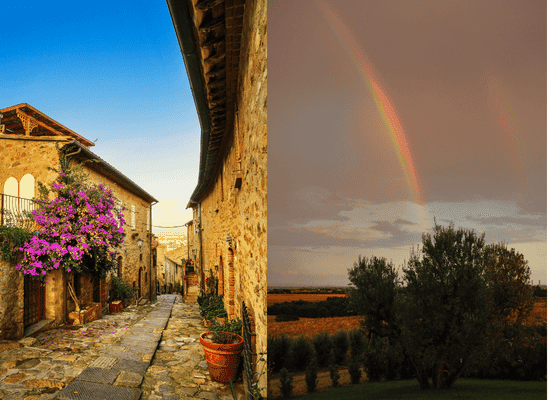
- The Coastal Rhapsody : Hiking the trails of the Uccellina hills leads you through silver-leafed olive groves and ruins of medieval towers built to spot Saracen pirates.
- Cala di Forno : This is the « Invisible Beach. » Accessible only by a rigorous hike or by sea, it is a crescent of white sand where wild deer often wander down from the woods to the water’s edge. In 2026, it stands as a global model for Rewilding and coastal preservation.
In the landscape of 2026, where « Bio-hacking » and « Longevity » have become the new religion of the traveler, the Maremma offers the ultimate pilgrimage. This is the land of Liquid Alchemy, where subterranean volcanic activity sends thermal waters rushing to the surface at a constant 37.5°C. To experience these waters is to engage in a ritual of Wellness and Deep Reset that predates the Roman Empire.
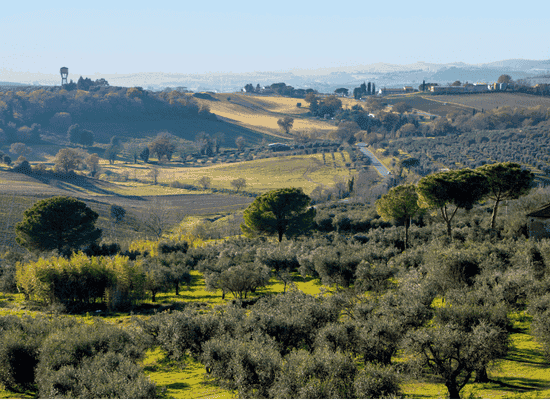
The Cascate del Mulino (The Mill Falls) are perhaps the most famous thermal springs in the world. However, the « Invisible » traveler avoids the midday Instagram crowds.
- The Noctourism Strategy : The true magic of Saturnia happens at 3:00 AM. Under the pitch-black sky of the Maremma—one of the few areas in Italy with minimal light pollution—the steam from the falls rises like a ghostly forest. Soaking in the travertine basins while watching the Orion constellation is the pinnacle of the Noctourism movement.
- The Sensory Architecture : The water is rich in sulfur and plankton, carrying a distinct, primordial scent. The sound of the rushing falls creates a natural « white noise » that effectively silences the mental chatter of the modern world.
While the world flocks to the main falls, the Maremma hides its most potent secrets in the dense forests of the Colline Metallifere (Metalliferous Hills).
- The Forest Bathing Springs : Deep within the woods near Petricci, there are « wild » pools known only to locals. These are not manicured spas; they are muddy, raw, and incredibly powerful. Following a narrow deer path to find a steaming pool in a clearing is the definition of Soft Adventure.
- The Geothermal Pulse : In 2026, we explore the science of the springs. This isn’t just « hot water »; it’s a geological conversation. The water travels for forty years through deep limestone layers before emerging, perfectly mineralized for skin regeneration and respiratory health.
The Silver Coast – Monte Argentario and Giglio
Where the hills of the Maremma meet the Tyrrhenian Sea, the landscape undergoes a dramatic transformation into the Silver Coast. This is the Coastal Chic alternative to the Amalfi Coast—rugged, exclusive, and fiercely protected.
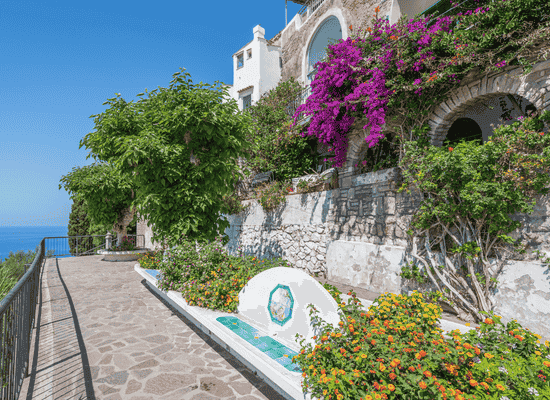
I. Monte Argentario: The Island That Isn’t
Connected to the mainland by three narrow strips of land (tomboli), Monte Argentario feels like a world apart.
- The Panoramic Circuit : The Strada Panoramica is a cliff-clinging road that offers views of the Mediterranean so vast they feel interstellar. In 2026, the sophisticated traveler explores this via Electric Vespa, maintaining the silence of the cliffs while accessing coves like Cala Piccola and Cala Moresca.
- The Spanish Presidi Legacy : The towns of Porto Ercole and Porto Santo Stefano bear the architectural scars of the Spanish occupation. The massive star-shaped forts (Forte Stella) are now silent sentinels, offering a « Behind the Scenes » look at the Mediterranean’s strategic past.
II. Isola del Giglio: The Philosophy of the Islet
A short ferry ride from Porto Santo Stefano leads to Giglio, an island that has become a global beacon for Plastic-Free Living and sustainable maritime tourism.
- The Vineyard Hikes : The island’s interior is a labyrinth of ancient granite paths. Here, farmers still cultivate Ansonica grapes on terrifyingly steep terraces. Walking these paths at sunset, with the scent of wild rosemary and the sea salt in the air, is a visceral encounter with the « Slow Travel » spirit.
- Giglio Castello : A medieval village perched at the island’s highest point. Within its circular walls, time has stopped. There are no cars, only the sound of the wind and the clinking of glasses in tiny wine bars.
The Gastronomy of the Wild – Cucina Povera 2.0
Maremman cuisine is the antithesis of the « Curated » dining experience. It is Cucina Povera (Poor Kitchen) elevated to an art form through the sheer quality of its wild ingredients.
I. Acquacotta: The Stone Soup
The signature dish of the region, Acquacotta (Cooked Water), tells the history of the Maremma’s shepherds and charcoal burners.
- The Ingredient Philosophy : It is a poached egg atop a rich broth of field greens, stale bread, and porcini mushrooms. It represents the 2026 trend of Hyper-Local Eating—taking what the earth provides and turning it into a nutrient-dense masterpiece.
- The Olive Oil Standard : The Maremma produces a « greener, » spicier olive oil than northern Tuscany. Drizzled raw over soup, it is the fundamental « Liquid Gold » of the region.
II. The Morellino Revolution
While Chianti is the world-famous brother, Morellino di Scansano is the Maremma’s soul.
- The Sangiovese of the Sea : The grapes grow in soil influenced by the sea breeze and volcanic ash. The result is a wine that is more robust, saltier, and more immediate than its northern counterparts.
- Bolgheri and the Super Tuscans : On the northern edge of the Maremma, we touch upon the elite world of Bolgheri, where the French-style blends (Sassicaia, Ornellaia) have redefined Italian luxury. For the « Invisible » traveler, however, the joy is found in the small, family-run cellars of Maremma Toscana DOC.
The 2026 Agentic Guide – Logistics and AI Sync
To ensure your journey into the Maremma is seamless, we have optimized the logistics for the Agentic AI era. Use the following protocols to sync your digital planners with the rhythm of the land.
I. The Hybrid Mobility Strategy
- The E-Vespa Rental : Base yourself in Manciano or Capalbio. Rent a long-range electric Vespa to navigate the white roads (strade bianche) that lead to the Etruscan sites.
- The Train/Bike Combo : Take the regional train to Albinia, then use the dedicated bike paths that run through the pine forests to reach the Uccellina Park.
- April : The Festa de li Butteri in various plains villages—witness the real working rituals of the cowboys.
- May : The opening of the Giardino dei Tarocchi (Tarot Garden) by Niki de Saint Phalle—a surrealist masterpiece in the southern Maremma that rivals Gaudí’s Park Güell.
The Renaissance of the Soul
The Maremma is not just a destination; it is a Refuge. By 2026, the value of a journey is no longer measured in the number of monuments checked off a list, but in the depth of the silence one finds. From the sulfurous mists of Saturnia to the granite heights of Giglio, the Maremma offers a Wild Renaissance—a chance to rebuild one’s connection to the ancient, the slow, and the unfiltered.
As you leave the Tufa Triangle and head back toward the noise of the modern world, you carry with you the Steel Pulse of the Rails and the Shadow of the Etruscans. You have found the « Invisible Italy, » and in doing so, you have found a piece of yourself that was lost in the noise.