
Are you dreaming of standing on the highest peak in North Africa? Trekking the Atlas Mountains and conquering Mount Toubkal (4,167 meters) is a bucket-list adventure that combines physical challenge with breathtaking scenery and rich Berber culture. Located just a short drive from Marrakech, this iconic Morocco trekking destination offers a thrilling escape into the heart of the High Atlas.
But reaching the summit requires more than just willpower; it requires careful planning, preparation, and respect for the mountain.
In this comprehensive guide, we will cover everything you need to know to safely and successfully climb Mount Toubkal, from choosing the right route to packing the perfect gear. Whether you are a seasoned hiker or a beginner looking for a challenge, this journey will leave you with unforgettable memories.
- Why Choose a Mount Toubkal Trek?
- The High Atlas range is often called the backbone of Morocco. Mount Toubkal is its jewel. But why should this be your next adventure travel destination?
- 1. The Highest Peak in North Africa
- 2. Cultural Immersion
- 3. Accessibility
- 4. Year-Round Trekking
- Physical Preparation and Altitude Acclimatization
- Your Attractive HeadingEssential Gear for Hiking the Atlas Mountains
- Detailed Itinerary: 3 Days to Conquer Toubkal
- Logistics: Accommodation, Meals, and Muleteers
- Your Attractive HeadingBudget and Practical Information for Your Toubkal Trek
1. The Highest Peak in North Africa
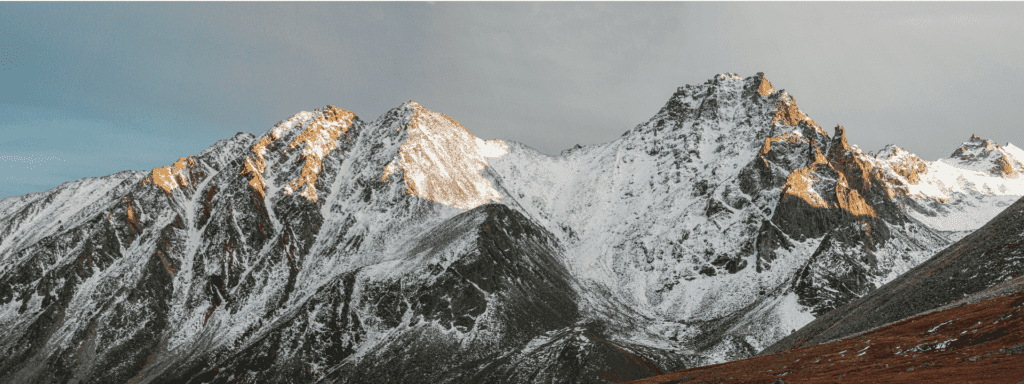
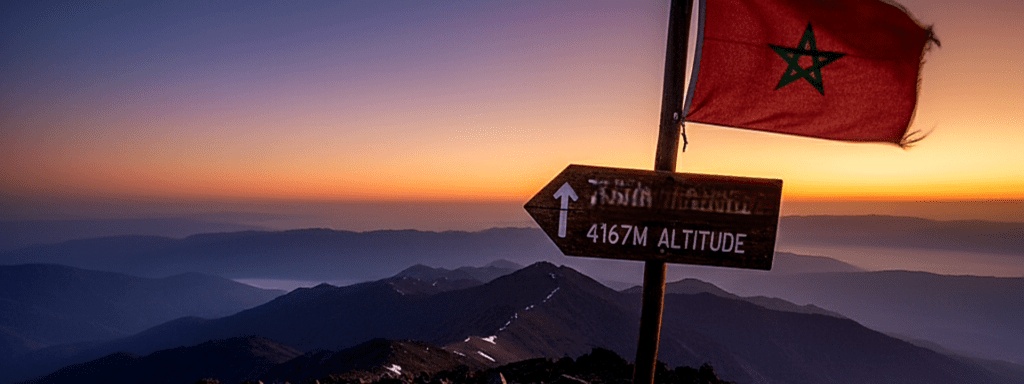
Standing at 4,167 meters (13,671 feet), the summit offers unparalleled 360-degree views of the Atlas Mountains, stretching all the way to the Sahara Desert on a clear day.
2. Cultural Immersion
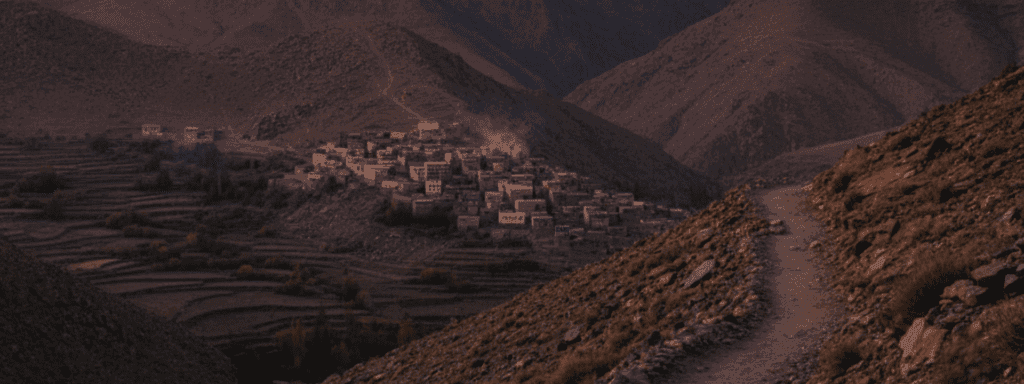
Unlike hiking in the Alps or the Rockies, a Toubkal hike takes you through traditional Berber villages. You will experience the legendary hospitality of the local people, enjoy authentic Moroccan tea, and learn about a lifestyle that has remained unchanged for centuries.
3. Accessibility
Located only 60 kilometers from Marrakech, you can go from the bustling medina to the mountain trails in less than two hours. This makes it an ideal destination for those combining city exploration with nature adventure.
4. Year-Round Trekking
While summer offers clear trails, winter trekking provides a totally different experience, requiring crampons and ice axes but offering stunning snowy landscapes.
Physical Preparation and Altitude Acclimatization
Conquering Mount Toubkal is not a walk in the park. While it does not require technical climbing skills (in summer), it is a strenuous physical challenge.
Cardiovascular Training
You need stamina. Start training at least 2-3 months before your trip. Focus on:
- Running or brisk walking (30-60 mins, 3-4 times a week).
- Cycling or swimming.
Strength Training
Your legs and core will take the brunt of the work.
- Lunges and squats.
- Planks for core stability.
- Hiking with a weighted backpack (simulating your trek load).
Altitude Acclimatization
Altitude sickness is a real risk. Toubkal is high enough to cause symptoms like headaches, nausea, and dizziness.
- Go Slow: Don’t rush the ascent.
- Hydrate: Drink at least 3-4 liters of water a day.
- Eat: Maintain your energy levels with carbohydrates.
Your Attractive HeadingEssential Gear for Hiking the Atlas Mountains
Proper gear is crucial for safety and comfort. Weather in the Atlas Mountains is unpredictable; it can be scorching hot in the sun and drop below freezing at night, even in summer.
Clothing: The Layering System
- Base Layers: Moisture-wicking t-shirts (merino wool or synthetic). Avoid cotton.
- Mid-Layers: Fleece jacket or pullover for insulation.
- Outer Shell: Waterproof and windproof jacket (Gore-Tex or similar).
- Trousers: Comfortable hiking trousers. Avoid jeans.
- Winter Gear: Down jacket, thermal leggings, waterproof over-trousers.
Footwear
- Hiking Boots: Sturdy, broken-in boots with good ankle support are mandatory.
- Socks: High-quality wool hiking socks to prevent blisters.
- Crampons & Ice Axes: Essential for winter treks (November to May).
Backpack and Accessories
- Daypack: 30-40 liters to carry your daily necessities.
- Main Backpack/Duffle Bag: To be carried by mules (if you have a team).
- Trekking Poles: Highly recommended to save your knees on the descent.
- Sun Protection: High SPF sunscreen, sunglasses (essential for snow), and a sun hat.
Choosing Your Route: North Face vs. South Face
There are two main routes to reach the summit, both starting from the village of Imlil.
1. The North Face (The Standard Route)
This is the most popular route, taking 2 or 3 days.
- Pros: Well-marked, shorter, faster ascent.
- Cons: Can be crowded, steep terrain.
- Key points: Imlil -> Sidi Chamharouch -> Toubkal Refuge -> Summit.
2. The South Face (Alternative Route)
A longer, more scenic route, often taken by those wanting to avoid the crowds.
- Pros: Stunning landscapes, less crowded, better for acclimatization.
- Cons: Longer trekking times, requires more stamina.
Safety and the Importance of a Guide
While trekking to the Toubkal refuge can be done independently, climbing Mount Toubkal requires a licensed Moroccan mountain guide.
- Regulations : Moroccan authorities require a guide for the final summit push for safety reasons.
- Expertise : Guides know the terrain, weather patterns, and how to handle altitude issues.
- Cultural Bridge : They facilitate interactions with local Berber families.
- Muleteers : A guide team usually includes muleteers who carry heavy gear, making the hike much more enjoyable.
Detailed Itinerary: 3 Days to Conquer Toubkal
This itinerary is the most classic option, offering the best balance between physical effort and altitude acclimatization.
Day 1: Marrakech to Imlil – The Berber Immersion
- Distance : 4 km (trekking)
- Walking Time : 1.5 – 2 hours
- Elevation Gain : +300m
Your adventure begins with a scenic 1.5-hour drive from Marrakech toward the foothills of the High Atlas. You will arrive in the charming village of Imlil (1740m), the starting point for most treks.
After meeting your guide and muleteer team, you will begin a gentle hike toward the village of Aroumd. Along the way, you will pass through apple orchards and terraced fields, offering a glimpse into rural Berber life. You will spend the night in a traditional guesthouse (gîte), an excellent opportunity to taste local cuisine.
Day 2: Imlil to the Toubkal Refuge – Ascending to High Mountain
- Distance : 10 km
- Walking Time : 4 – 5 hours
- Elevation Gain : +1450m
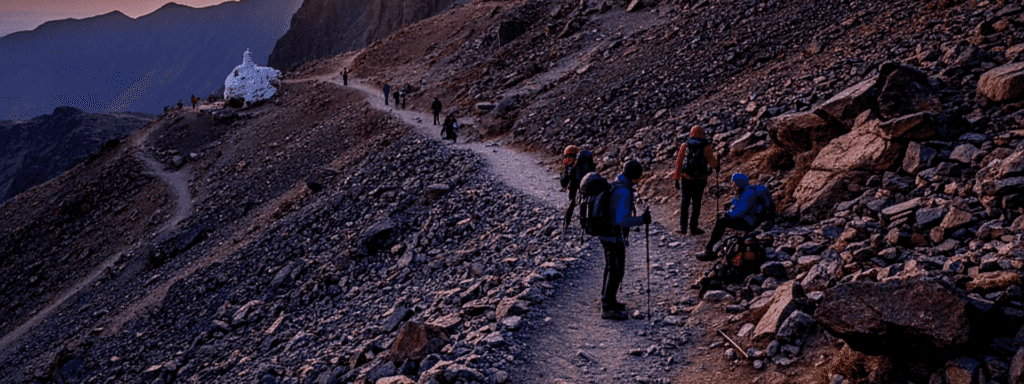
Today, the real challenge begins. The trail climbs steadily, passing through the shrine of Sidi Chamharouch (2350m), a pilgrimage site famous for its white-painted rock. This is the perfect spot to take a break and enjoy a mint tea.
Continuing the ascent, the landscape becomes more mineral and arid. You will finally reach the Toubkal Refuge (or Mouflon Refuge), located at 3207m. The afternoon is dedicated to rest, hydration, and acclimatizing to the altitude. An early dinner is essential before a short night’s sleep.
Day 3: Summit Ascent and Return to Imlil
- Distance : 13 km
- Walking Time : 7 – 9 hours (4-5 hours up, 3-4 hours down)
- Elevation Gain : +960m (up), -2410m (down)
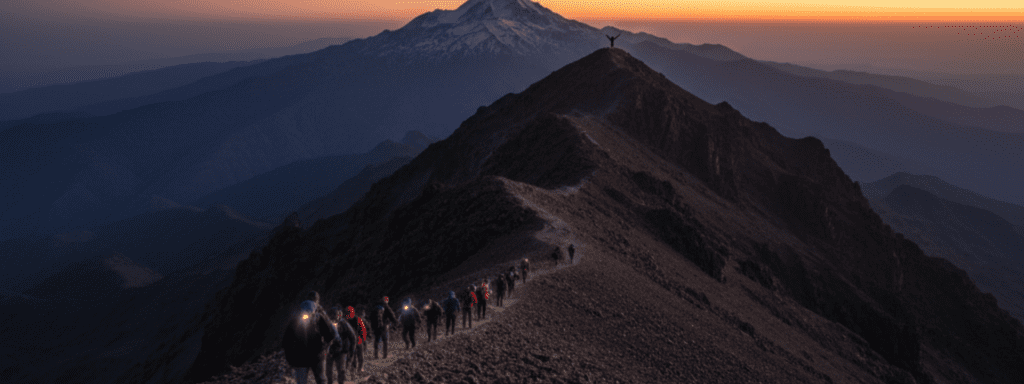
The wake-up call is often around 4:00 AM or 5:00 AM. The final climb is done by headlamp. The terrain consists of unstable scree, requiring good concentration.
Reaching the summit at sunrise is a spiritual experience. The view over the Atlas Mountains and, on a clear day, the Sahara Desert, is indescribable. After savoring this moment, you will begin the long descent back to the refuge for a late breakfast, then continue down to Imlil.
Logistics: Accommodation, Meals, and Muleteers
The success of your Atlas Mountains trekking experience also depends on logistics.
Accommodation
- Gîtes : Comfortable traditional Berber houses with dormitories.
- Refuges : Shared dormitories with basic sanitary facilities. Remember to bring your sleeping bag (even in summer) and earplugs.
Food
Your meals will be prepared by your expedition cook. Expect:
- Breakfast : Bread, jam, butter, tea, coffee.
- Lunch : Mixed salads, pasta, rice, fruits.
- Dinner : Various tagines, Berber soups (harira), couscous.
Support Team
The role of the muleteers is fundamental. They carry your heavy gear, allowing you to hike with a light backpack. Respecting their work is an important part of the trekking ethics in Morocco.
Your Attractive HeadingBudget and Practical Information for Your Toubkal Trek
Planning your finances is essential for a stress-free adventure.
Cost of the Trek
The total cost depends on whether you book a private tour, join a group, or travel independently.
- Budget Trip : Approx. $150 – $250 USD (Guide + Mules + Food for 2-3 days).
- Organized Tour : Approx. $300 – $600 USD (Includes transport from Marrakech, accommodation, guide, mules, and food).
Best Time to Climb Mount Toubkal
- Summer (June – September): Best for beginners. Warm temperatures, dry trails, no technical gear needed. However, it can be crowded.
- Winter (December – March): Requires technical gear (crampons, ice axe) and experience. Offers stunning snowy landscapes and few crowds.
- Spring/Autumn (April-May / October-November): Pleasant temperatures, but higher risk of rain or snow near the summit.
A Journey You Will Never Forget
Trekking the Atlas Mountains to conquer Mount Toubkal is more than just a hike; it is an immersion into a world of rugged beauty and ancient culture. While the physical effort is significant, the reward of standing on the highest point in North Africa is worth every step.
By following this guide, preparing well, and respecting the mountain and its people, you are setting yourself up for an unforgettable experience.
Are you ready for your next adventure in Morocco? Book your guide, pack your bags, and get ready to walk the Atlas!