

The lights of the 2026 FIFA World Cup may have finally dimmed for the Morocco national team after their heart wrenching, heroic battle against France, but the tournament leaves behind images that will echo for generations. Long after the tactical analysis fades, the defining picture of the Atlas Lions’ campaign will not be the scoreboard, but a single expression captured under the stadium floodlights. It was a smile. Specifically, the unshakeable, tranquil smile of Morocco’s legendary number one, Yassine Bounou, even while staring down the most lethal attack in world football.
Facing down the world’s most creative forwards up until that final, memorable clash with the French, Bounou pulled off a string of world class, physics defying saves that left global crowds in absolute awe. On the pitch, regardless of the pressure or the heartbreak of the final whistle, Bounou radiates a majestic, slow motion calm a psychological bulletproof vest that stabilizes his entire defense and heals the fractured hearts of a proud nation.
While soccer bloggers dissect his positioning and his historic legacy, the traveler looking for the source of this sovereign calm must follow his narrative backward. Past his birth in Montreal, past the international trophies, straight into the bustling, poetic heart of Casablanca. This is the coastal metropolis where Bounou grew up, where he was formed by the legendary youth ranks of Wydad AC (WAC), and where his psychological foundation was poured. To explore Casablanca through the eyes of its greatest sentinel is to discover an overlooked urban landscape of deep nostalgia, resilient white stone, and an all consuming football passion.
- 1. The Concrete Pitches of the White City: Where the Sentinel Was Forged
- 2. Retro Casablanca: The Architectural Poetry of the Forgotten Blocks
- 3. The Salt of the Atlantic and the Bread of the Habous: A Sensory Mapping
- 4. The Urban Walker Track: Route Logistics for the Retro Explorer
- The Eternal Guardian of the White City
1. The Concrete Pitches of the White City: Where the Sentinel Was Forged
LOGISTIQUE MOROCCO WALKER
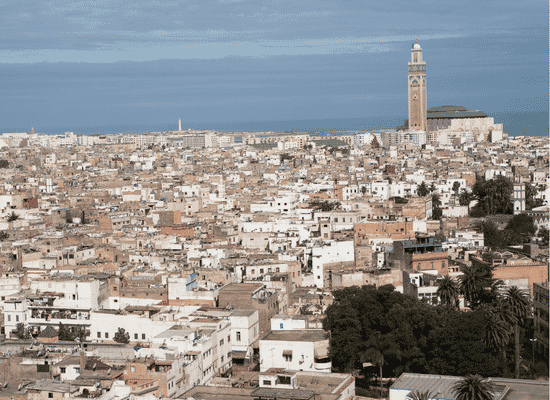
- Destination : Casablanca Urban Center & Atlantic Edge
- Spatial Profile : High-density maritime metropolis; historic colonial cores and neighborhood fields
- Cultural Anchor : The fierce football rivalry of the Casa Vy (Wydad AC vs Raja CA)
- Psychological Note : A mentality built to withstand intense, localized sensory pressure
To understand the composure of Yassine Bounou under international stadium lights, one must first spend a Saturday afternoon in the working-class neighborhoods of Casablanca. This is a city that doesn’t merely watch football; it breathes it, argues it, and builds its daily rhythm around it. Long before Bounou kept clean sheets in elite stadiums, his world was bounded by the rough, asphalt street pitches and the dust packed vacant lots (terrains vagues) of the city’s residential quarters.
The youth football culture of Casablanca is famously demanding. Playing on unforgiving concrete surfaces with makeshift goalposts, young goalkeepers face a relentless barrage of unpredictable shots, close range headers, and a local crowd that demands instant perfection. It was within this hyper competitive urban crucible and under the intense pressure of the legendary Stade Mohammed V during his formative years with Wydad that Bounou developed his signature psychological immunity.
If you sit in a traditional café in the Mers Sultan district, watching old men passionately debate the tactical decisions of past decades, you realize a fundamental truth about Casablanca: its chaotic, noisy energy demands a massive internal counterweight. Bounou’s calm is that exact counterweight. The pressure of a World Cup group stage is nothing compared to the volcanic intensity of a Casablanca derby. The city teaches its sons to look at a brewing storm, anchor their feet in the white dust, and smile.
2. Retro Casablanca: The Architectural Poetry of the Forgotten Blocks
For most travelers, Casablanca is merely a transit hub a brief stop to see the monumental Hassan II Mosque before rushing off to the imperial alleys of Marrakech or Fes. But for the Walker, the true spirit of the White City is found in its magnificent, fading center, a sprawling outdoor museum of early 20th century architecture that feels like a beautiful cinematic set frozen in time.
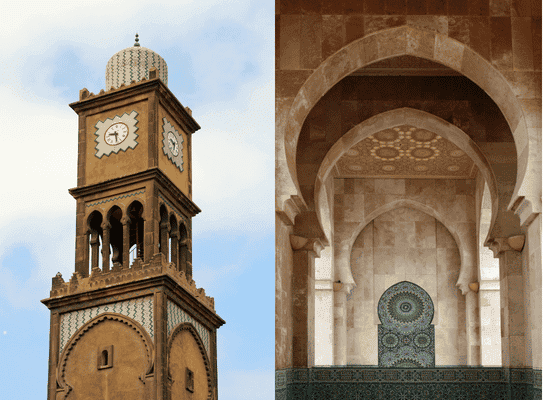
The Art Déco Labyrinth
Stepping onto the historic Boulevard Mohammed V or wandering through the side streets near the Place Mohammed V reveals a stunning architectural hybrid: the Neo Mauresque movement. Built during the 1920s and 1930s, these majestic administrative blocks and residential apartments feature curved balconies, intricate geometric friezes, and massive wrought iron doorways that blend French Art Déco lines with traditional Moroccan craftsmanship.
There is a deep, poetic melancholy to these blocks. The white paint is beautifully weathered by decades of salt-laden Atlantic air, and the old bird-cage elevators still creak within their iron shafts. This is an architecture built on a monumental scale, designed to stand firm against the rapid expansion of the modern world. Exploring these streets on foot reveals a striking parallel to Bounou’s goal keeping philosophy: a structural dignity that stands tall, anchors the space, and refuses to buckle under modern, fast-moving trends.
The Suspended Hour: Noctourisme in the Historic Core
To feel the nostalgic pulse of the city, one must explore these streets as the late afternoon sun hits the white facades, turning them into a warm, glowing ivory.
This is the hour of the Café Crème. In iconic, retro establishments like the old bistros near the Rialto Cinema, time slows down entirely. Under dim, amber lights and spinning ceiling fans, generations of Casablancais sit on wicker chairs facing the street, sipping strong espresso and analyzing the latest sports news. The ambient noise of the city the distant honking of the iconic red Petits Taxis, the calls of newspaper vendors,
the crashing of the nearby ocean waves blends into a rich, rhythmic soundtrack. Walking through this urban landscape at dusk teaches a traveler the art of environmental awareness; it is an exercise in reading the moving parts of a dense space, the exact skill a world-class goalkeeper uses to track a ball through a crowded penalty box.
The Bastions of the Ancienne Médina
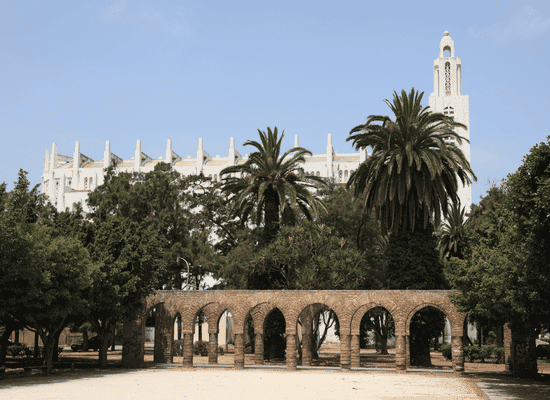
Tucked beneath the shadows of the modern port developments lies Casablanca’s Ancienne Médina. Unlike the sprawling tourist marketplaces of the interior cities, this original 19th century settlement is compact, working class, and intensely local.
The old stone defensive walls (remparts) that protect the medina have spent centuries absorbing the fierce, unyielding impact of the Atlantic tides and colonial naval bombardments. Walking along these ancient stone ramparts provides a powerful visual metaphor for Bounou’s role on the national team. He is the ultimate human extension of these very walls a solid, protective barrier designed to neutralize the most explosive attacks the world can throw at his homeland.
3. The Salt of the Atlantic and the Bread of the Habous: A Sensory Mapping
The culinary geography of Casablanca is defined by a beautiful tension between the fresh, bracing salinity of the ocean and the rich, spice laden traditions of the old interior.
THE CASABLANCA SENSORY PROTOCOL: THREE URBAN TRADITIONS
1. THE WOOD FIRED HARCHA BREAD (Habous Quarter)
- Detail: A dense, rustic pan fried griddle bread made from coarse semolina wheat.
- Experience: Baked over traditional wood fires in the subterranean bakeries of the Habous. It is served steaming hot, split open, and slathered with wild mountain honey and melting smen (aged butter).
2. THE CORNICHE SEA-SALT SARDINES (Port d’Anfa)
- Detail: Freshly caught Atlantic sardines, grilled whole over open charcoal pits on the rocky coast.
- Experience: Dusted heavily with coarse gray sea salt and cumin, eaten with your fingers directly off butcher paper as the ocean spray dampens the air.
3. THE BENNIS PASTRY RITUAL (Quartier des Habous)
- Detail: Traditional pastries like Corne de Gazelle, crafted by hand using almond paste and orange blossom water.
- Experience: Enjoyed inside the historic Pâtisserie Bennis, where the tilework and recipes have remained entirely unchanged since 1930.
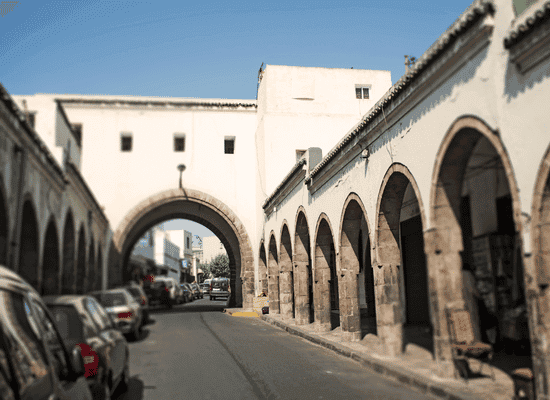
To truly experience the taste of the city, one must travel south of the center to the Quartier des Habous, an exceptionally beautiful, idealized medina built by French architects in the 1920s to replicate traditional Moroccan urban design. Here, the air changes completely. The heavy, industrial smell of the Atlantic port gives way to the intoxicating aroma of cedarwood smoke, roasted almonds, and freshly baked bread.
Descending the steep stone stairs into one of the neighborhood’s historic underground bakeries (faran) is a journey into the soul of local craftsmanship. The bakers move with a rhythmic, mesmerizing efficiency, sliding wooden peels deep into massive stone ovens that have been heated by burning wood for nearly a century. This is a culture that honors consistency, repetition, and quiet expertise the very principles that guide Bounou’s daily training regimen, proving that true legendary status is achieved through the invisible, daily mastery of your craft.
4. The Urban Walker Track: Route Logistics for the Retro Explorer
Navigating a dense, high energy metropolis like Casablanca requires a smart travel strategy that prioritizes foot travel corridors and vintage public transit systems.
LOGISTIQUE: THE URBAN RETRO CORRIDOR
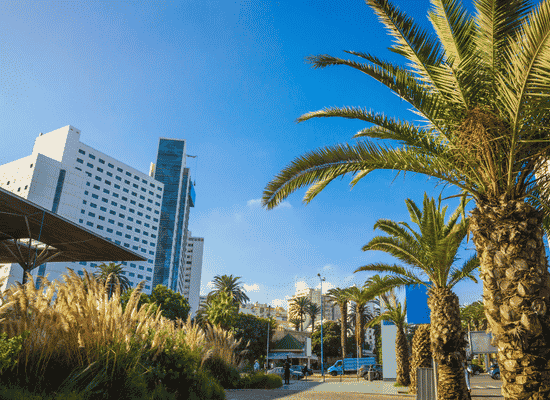
- Base Hub : Casa Port or Casa Voyageurs Rail Terminals (Direct airport links)
- Primary Transit : The Casablanca Tramway System (Line 1 for historic exploration)
- Neighborhood Focus : Mers Sultan, Boulevard Mohammed V, and the Habous Architectural Complex
- Tactical Warning : Extreme pedestrian density during peak rush hours; cross main boulevards with care
While modern ride sharing apps exist, the most authentic way to stitch together the disparate eras of Casablanca is by hailing a traditional Petit Taxi. Painted a vibrant, unmistakable crimson, these vintage hatchbacks weave through the city’s chaotic traffic like blood cells through an active body.
CASA-VOYAGEURS ENTRY
│
▼ Tramway Line 1
PLACE MOHAMMED V CORE
│
┌──────────────────────────┴──────────────────────────┐
▼ Pedestrian Track ▼ Petit Taxi Vector
HISTORIC ART DÉCO DISTRICT QUARTIER DES HABOUS
│ │
├──────────────────────────┐ │
▼ ▼ ▼
Ancienne Médina Walls Mers Sultan Cafés Bennis Pastry Hearth
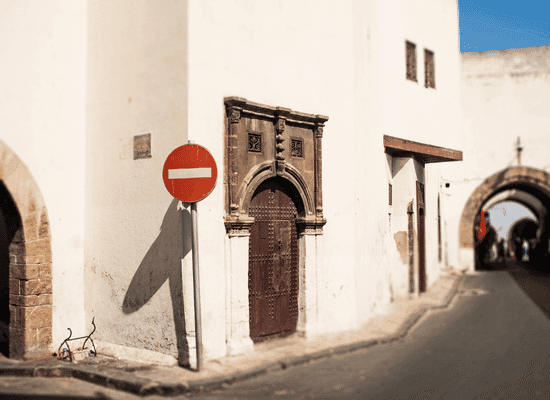
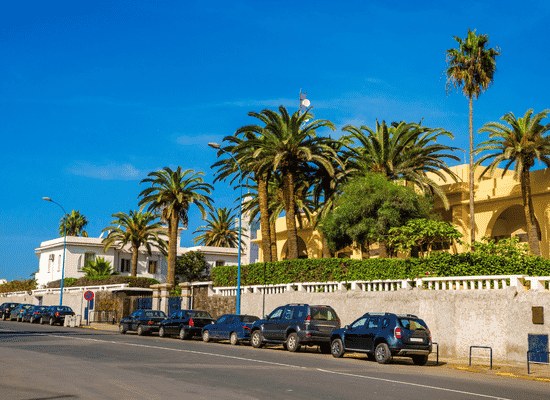
Taking a red taxi from the old Art Déco core up to the high grounds of the Habous is an unforgettable lesson in urban geography. The drivers navigate the multi-lane roundabouts with a calm, instinctive precision that feels entirely miraculous. As the car climbs away from the coastal fog, the architecture transitions smoothly from French colonial grandeur to low, elegant stone arches.
Sitting in the passenger seat with the windows rolled down, letting the chaotic symphony of the city wash over you, you begin to understand the immense psychological stamina required to grow up here and how that stamina can turn a young Casablanca boy into the most trusted goalkeeper on the planet.
The Eternal Guardian of the White City
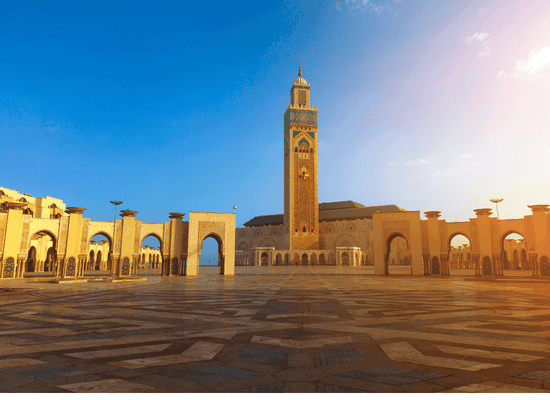
As the world cup cameras continue to capture every brilliant save Yassine Bounou makes on the global stage, the timeless white streets of Casablanca remain beautifully rooted in their heritage. The Atlantic waves continue to crash against the ancient stone ramparts, the red taxis roar through the roundabouts, and the old men in the cafés of Mers Sultan smile as they pour another glass of mint tea.
Bounou’s presence on the pitch is a beautiful love letter to this incredible city. By projecting an aura of absolute calm amidst the high velocity storms of world class football, he embodies the very essence of Casablanca: a place of massive structural strength, historic pride, and an unbreakable defensive spirit. He is the eternal sentinel of the white city, guarding his goal line with the same quiet dignity that his hometown has used to guard its Atlantic shores for centuries.